











TL;DR
- Senegal’s National Assembly amended the constitution on 29 June to define marriage as between a man and a woman.
- The vote was unanimous: 129 members supported the change and none opposed it.
- Same-sex sexual activity has been illegal in Senegal since 1965, and March legislation sought even tougher penalties.
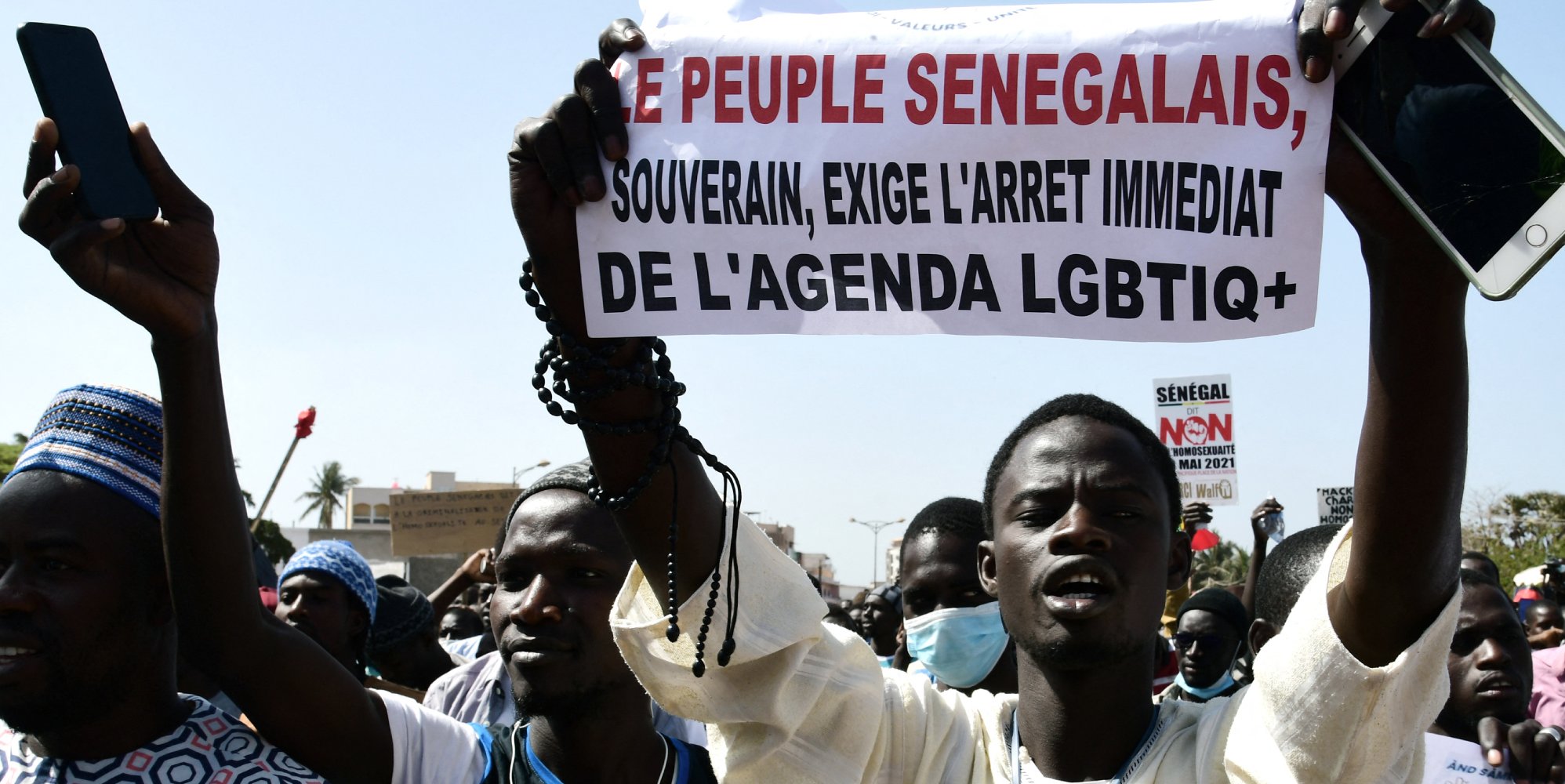
Senegal’s National Assembly has amended the constitution to define marriage exclusively as the union between a man and a woman, formally barring same-sex marriage.
The change was adopted on 29 June in a unanimous vote, with all 129 members of the assembly voting in favour and none against. Before the amendment, the constitution said: “Marriage and the family constitute the natural and moral foundation of human society, and are placed under the protection of the State.”

Although same-sex marriage had never been legal in Senegal, the constitutional language had previously been less explicit. The new wording removes that ambiguity.
Senegal already criminalises same-sex sexual activity under article 319 of the Penal Code, which has been in force since 1965, five years after the country gained independence from France. The law applies to both men and women and describes the conduct as “unnatural acts”.

The constitutional change comes after Senegal’s National Assembly in March passed a separate bill that would double the maximum penalty for same-sex relations, increasing the punishment to up to 10 years in prison. That measure passed by 135 votes to zero, with three abstentions.
That March bill also broadened the criminal code provisions by punishing “any sexual act or act of a sexual nature between two people of the same sex”, criminalising accusations made “without proof”, and threatening anyone who engages in advocacy for same-sex relations with three to seven years in prison.

During the March debate, lawmaker Diaraye Ba said: “Homosexuals will no longer breathe in this country. Homosexuals will no longer have freedom of expression in this country.”
Reuters reported that Imam Babacar Sylla, leader of And Samm Jikko Yi, a network of Islamic and civil society organisations, urged President Bassirou Diomaye Faye to sign the bill into law as soon as possible. “The longer it takes, the more complicated it will be,” he said, adding: “And these people, whom I consider a public danger, will continue to escape,”
Following the constitutional amendment, an anonymous Senegalese citizen told Erasing 76 Crimes that the ruling PASTEF party was emphasising the change to reassure Senegalese people it would pursue an anti-LGBT agenda, in the context of the spring tightening of the Criminal Code.
For LGBTQ people in Senegal, the constitutional amendment adds further symbolic and legal weight to an already hostile framework. Even without a history of legal marriage equality, the move strengthens a system in which same-sex intimacy and advocacy are already subject to punishment.
What changed in Senegal’s constitution
- Amendment date: 29 June
- Vote: 129 in favour, 0 against
- New definition: marriage is “the union between a man and a woman”
- Before the change: marriage and family were described as the natural and moral foundation of human society under state protection
Existing penalties remain in place
- Same-sex sexual activity has been illegal since 1965 under article 319
- The law applies to both men and women
- In March, lawmakers approved a bill to raise the maximum penalty to 10 years in prison
- That bill passed 135 votes to zero, with three abstentions
Gallery

Sophia Rodriguez
Sophia Rodriguez, a multilingual journalist, specializes in global LGBTQ issues. A graduate of Georgetown University's School of Foreign Service, Sophia has reported from over 30 countries, offering insights into the di…
More stories →


Comments (5)
Join the conversation